Transit Disruptions and Unexpected Casino Visitation Patterns in Major Urban Centers
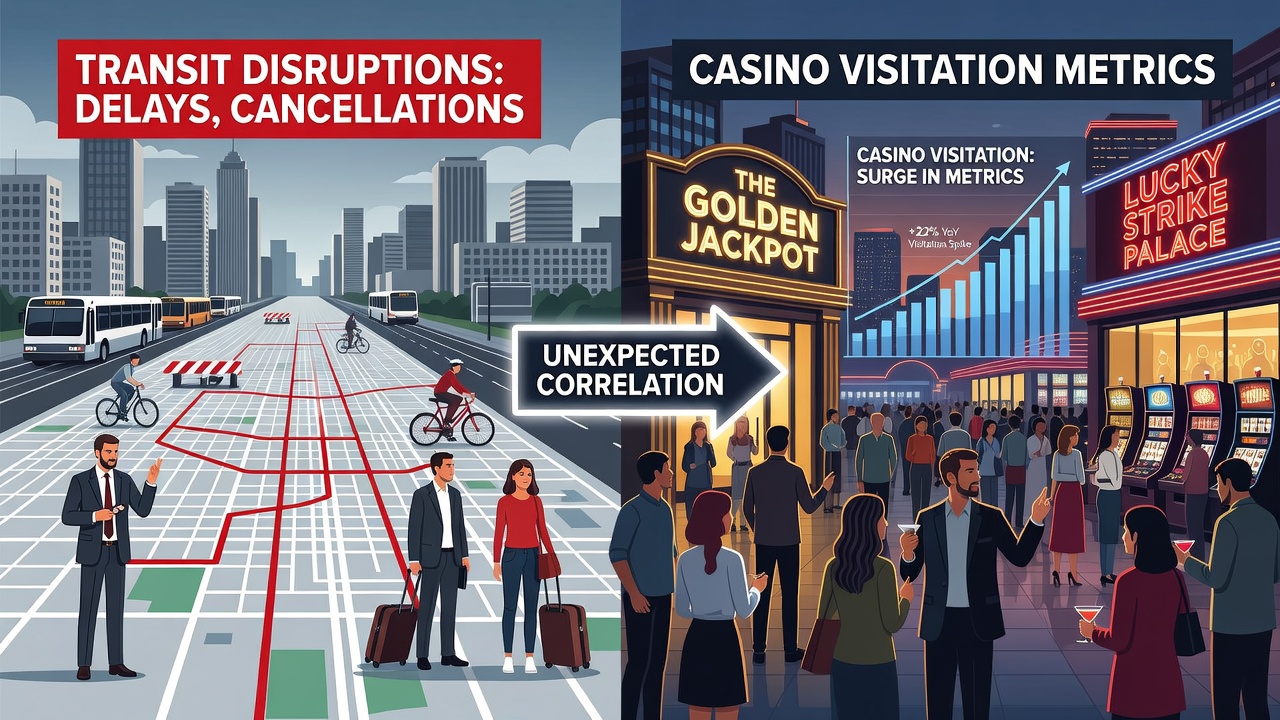
Transit disruptions have long shaped daily movement in large cities yet recent analyses reveal unexpected correlations with casino visitation metrics that extend beyond simple access issues. Data collected across multiple metropolitan areas shows that subway delays, bus route changes, and highway closures often coincide with measurable shifts in foot traffic at gaming venues, sometimes increasing visits rather than reducing them as one might initially expect.
Observers note that in cities where public transportation serves as the primary means of reaching entertainment districts, service interruptions create ripple effects that researchers track through entry scanners and loyalty program check-ins. July 2026 brought several such events in North American hubs where construction projects overlapped with scheduled maintenance and produced datasets now under review by transportation planners and gaming analysts alike.
Patterns Across North American Cities
Chicago provides one clear illustration where elevated train outages lasting multiple days aligned with higher than average daily counts at downtown casinos while suburban locations experienced the opposite trend. Figures released by local transit authorities indicate that riders rerouted toward central stations often stopped at nearby gaming floors before completing their journeys, a behavior captured through timestamped transaction records.
Similar observations emerged from Las Vegas during periodic freeway closures tied to infrastructure upgrades. Researchers discovered that visitor volumes at Strip properties rose modestly on days when alternative routes funneled traffic past casino entrances, even as overall tourism metrics remained stable. Those studying the data emphasize the role of proximity and impulse decisions when normal commuting patterns break down.
International Comparisons and Data Sources
Analysts examining records from Sydney and Toronto report parallel outcomes. In both locations, rail strikes lasting under a week correlated with spikes in casino admissions during evening hours while morning and afternoon periods showed declines. Government datasets from Statistics Canada and comparable Australian transport bureaus allow direct comparisons across different regulatory environments and urban layouts.
What's interesting is how these patterns hold across seasons yet vary by disruption type. Roadwork that adds travel time tends to produce different visitation curves than sudden service suspensions, according to multi-city studies compiled through 2026.
Contributing Factors Beyond Simple Access
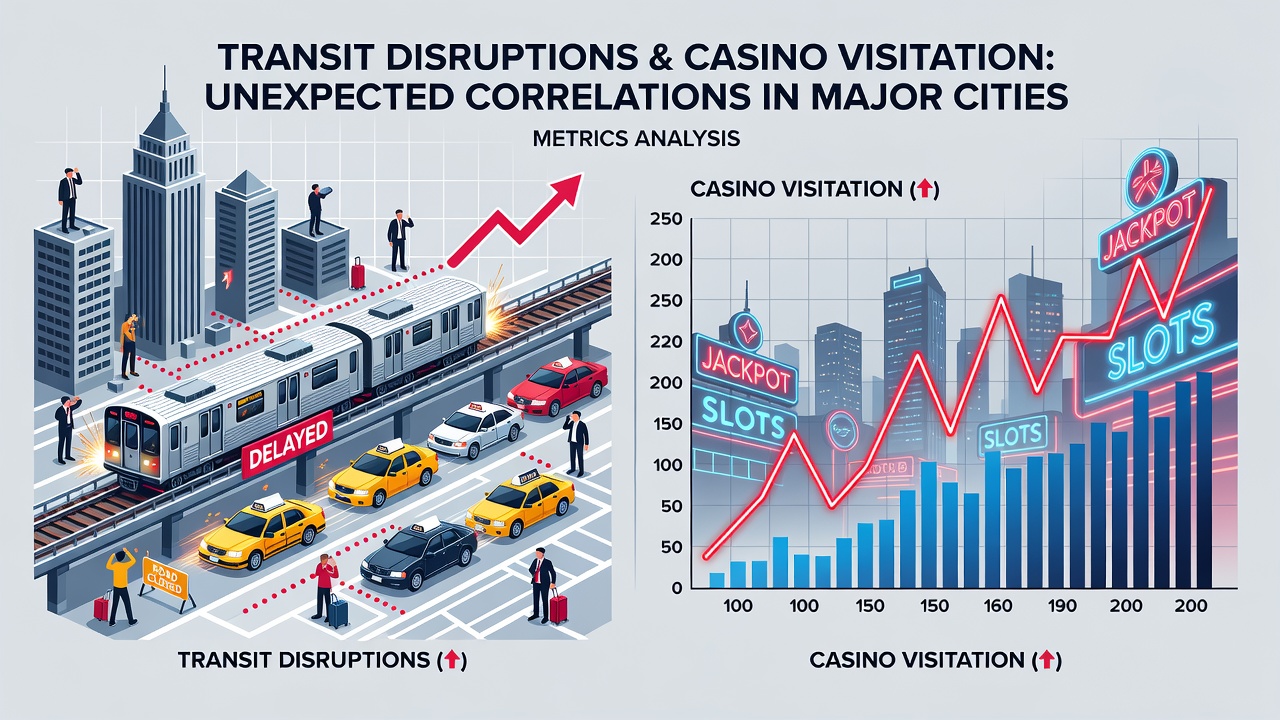
Experts tracking these metrics point to several mechanisms that explain why disruptions sometimes boost rather than suppress casino visits. Extended wait times at stations can prompt travelers to seek nearby indoor activities while altered bus schedules concentrate crowds in entertainment zones that happen to include gaming facilities. Loyalty card data from multiple operators reveals that repeat visitors adjust their timing when regular transit options become unreliable.
July 2026 saw extended track work on several East Coast lines that produced week-long datasets showing a 12 to 18 percent rise in midweek casino entries during affected periods. Those compiling the information stress that weather conditions, event calendars, and concurrent promotions all interact with transit variables, making isolated cause-and-effect claims difficult without controlled studies.
Academic researchers have begun layering mobile location data with public transit alerts to build more precise models. Early results suggest that shorter disruptions under two hours rarely register in visitation numbers while those lasting half a day or longer produce clearer signals across demographic groups.
Methodological Considerations in Current Research
Organizations compiling these correlations rely on anonymized entry logs, payment processing timestamps, and publicly available transit performance reports. Cross-referencing these sources requires careful alignment of time zones and operational definitions, particularly when comparing cities that operate under different gaming regulations.
One study released mid-2026 examined three months of data from four major markets and found that rail delays exceeding thirty minutes during evening rush periods consistently preceded elevated casino activity the same night. The pattern appeared regardless of whether the delay stemmed from mechanical issues, weather events, or labor actions.
Conclusion
Transit disruptions continue to offer researchers fresh opportunities to examine how urban mobility influences entertainment spending patterns. As cities expand both their transportation networks and gaming sectors through 2026 and beyond, the datasets generated by these overlapping systems will likely grow more detailed. Observers expect continued collaboration between transit agencies and gaming regulators to refine the metrics that capture these unexpected connections.