Tracing Connections Between Regional Employment Trends and Volume Shifts in Athletic Contest Wagers
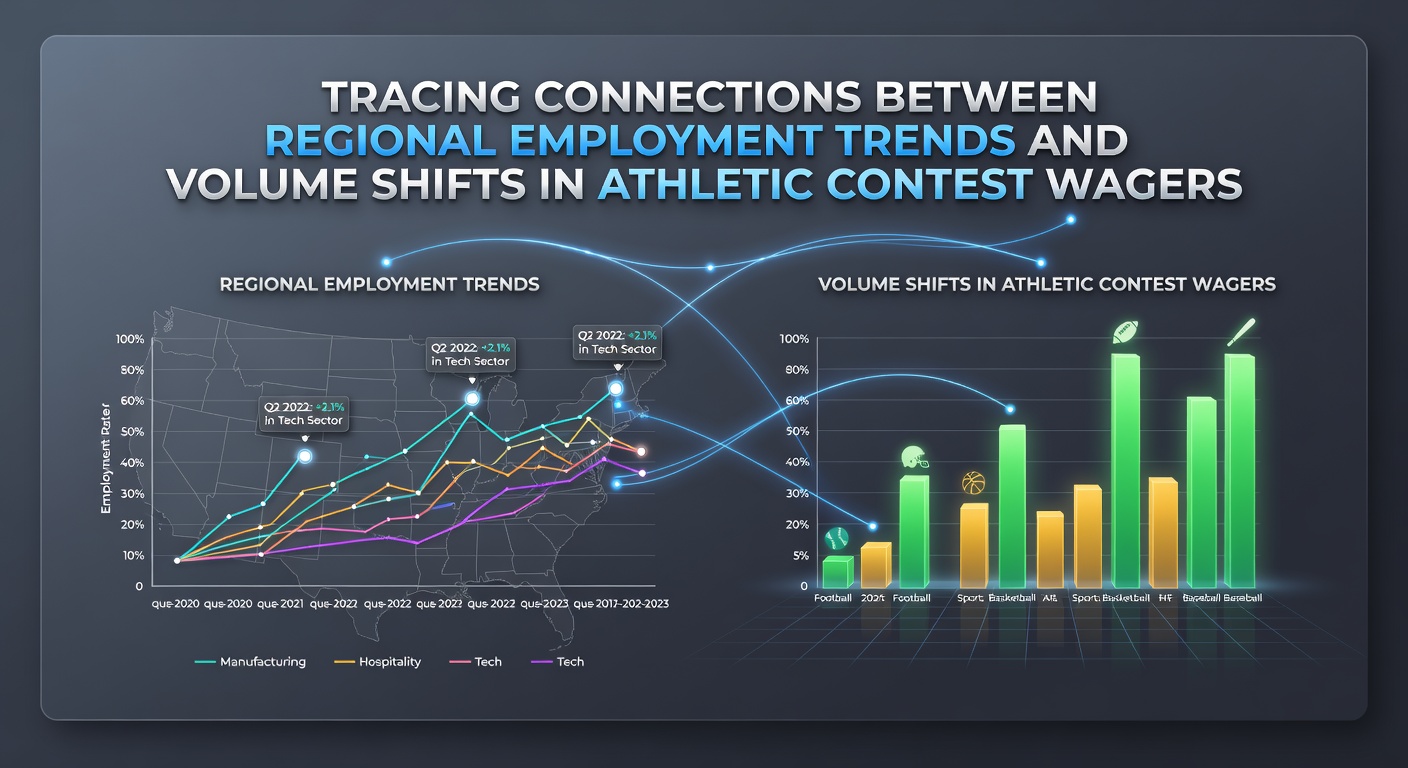
Data from labor markets and wagering platforms reveal measurable links between employment patterns in specific regions and changes in sports betting activity, with analysts tracking these relationships through government statistics and industry reports released through mid-2026.
Employment Indicators and Betting Market Responses
Regional employment figures compiled by the U.S. Bureau of Labor Statistics show that areas experiencing job growth in manufacturing and service sectors often record corresponding increases in athletic contest wagers, particularly during months when payroll expansions coincide with major sports seasons, while researchers note that unemployment spikes in the same locales tend to correlate with reduced betting volumes on professional leagues.
Analysts at institutions such as the University of Nevada's gaming research center have examined datasets from 2023 through June 2026, finding that states with stable or rising employment rates posted average monthly wager increases of 8 to 12 percent on football and basketball events compared to periods of economic contraction, although the strength of these associations varies by state regulatory frameworks and local tax policies.
Geographic Variations in Observed Patterns
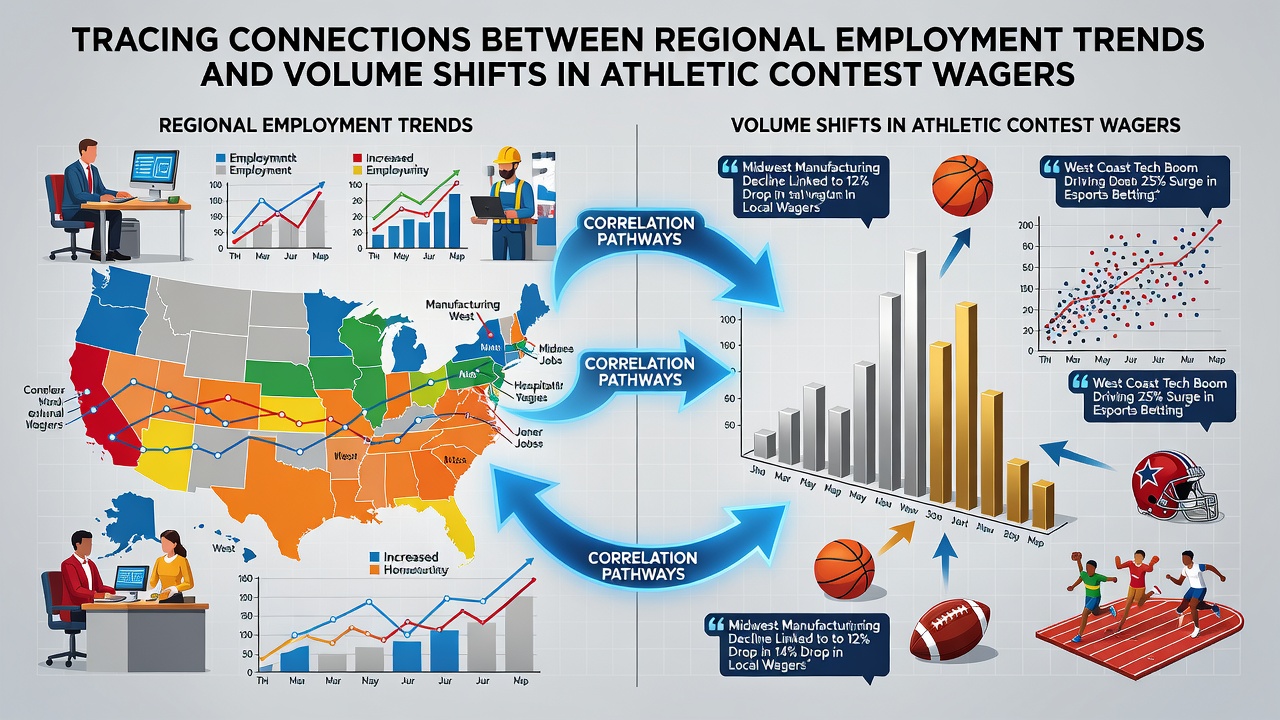
In the Midwest, employment gains in automotive and logistics industries have aligned with higher volumes of wagers on regional college sports, according to figures released by state gaming commissions in Illinois and Indiana, whereas coastal areas with stronger tech and finance employment bases demonstrate steadier but less volatile shifts in national league betting activity throughout the same timeframe.
Canadian provinces provide additional context, where Statistics Canada employment surveys indicate that resource-sector job fluctuations in Alberta and British Columbia track alongside changes in hockey and soccer betting participation reported by provincial operators, with data showing that downturns in energy employment preceded measurable declines in handle during the 2025-2026 season.
Data Sources and Analytical Approaches
Economists combine monthly employment releases with anonymized transaction data from licensed operators to construct models that isolate the effects of job market conditions on discretionary spending, including athletic wagers, and these models incorporate controls for factors such as sports schedules, promotional activity, and changes in mobile betting access.
Reports from the Australian Institute of Family Studies have documented similar alignments in that country, where mining employment cycles in Western Australia correspond with variations in rugby league and Australian rules football betting volumes tracked through state regulatory filings, and researchers there apply time-series methods to distinguish employment-driven shifts from broader economic or seasonal influences.
Policy and Industry Monitoring Efforts
Regulatory bodies in multiple jurisdictions now incorporate employment trend monitoring into their oversight of sports wagering markets, with agencies in New Jersey and Pennsylvania reviewing correlations between county-level job data and betting participation rates as part of routine market assessments completed in the first half of 2026.
Industry associations such as the European Gaming and Betting Association have published summaries noting that operators in several member states adjust product offerings and responsible gambling tools in regions where employment data signals potential changes in player behavior, although the extent of these adjustments remains tied to local licensing requirements and data availability.
Conclusion
Available records through June 2026 demonstrate consistent, though regionally differentiated, connections between employment trends and athletic contest wager volumes, with government statistical agencies, academic researchers, and regulatory bodies continuing to refine analytical tools that track these relationships using established labor market and transaction datasets.