Exploring Interplays Between Loyalty Tier Mechanics and Retention Metrics in Hybrid Online-Offline Gaming Platforms
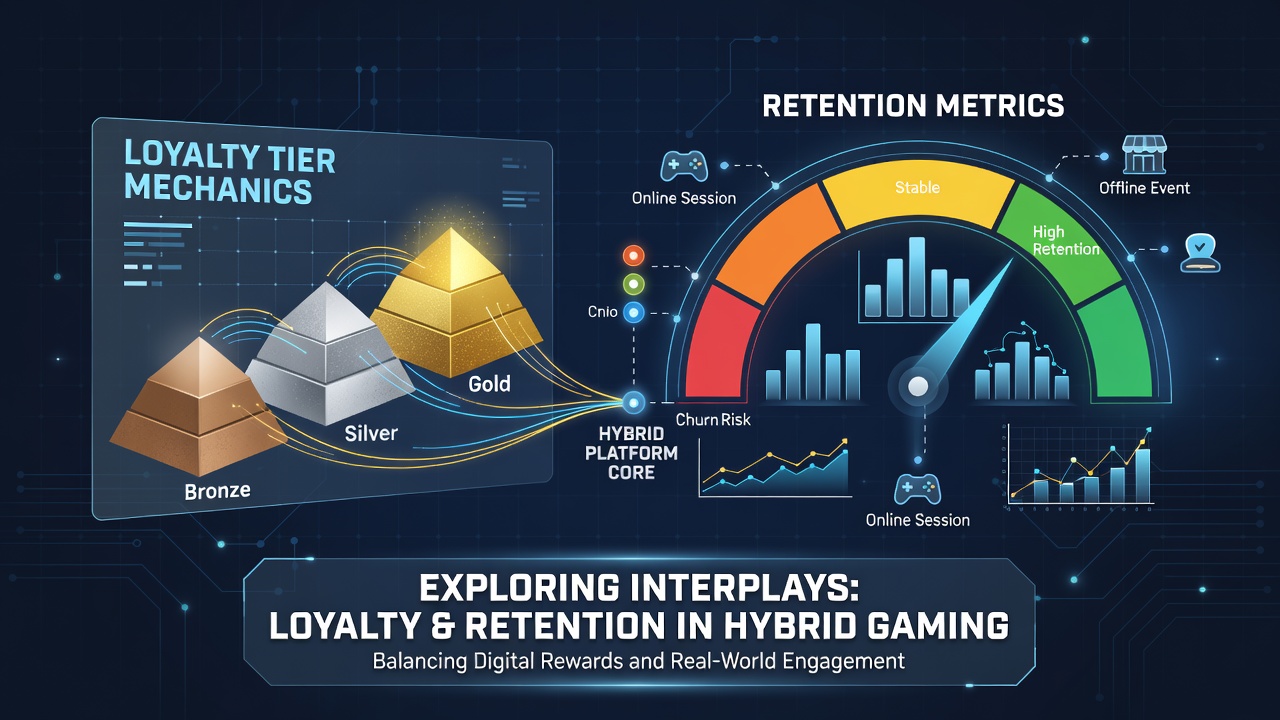
Hybrid online-offline gaming platforms integrate digital access with physical locations, creating environments where loyalty tier mechanics directly shape retention metrics such as daily active users, session frequency, and lifetime value calculations. Platforms in this space track player progression through points earned across both channels, with tiers granting escalating benefits like bonus credits, priority access, and personalized offers that data from multiple operators show correlate with reduced churn rates over multi-month periods.
Mechanics of Loyalty Tiers in Hybrid Settings
Operators structure tiers around cumulative activity that spans mobile apps, web portals, and land-based terminals, so a user completing challenges in one environment advances in the shared system. Points accrue from deposits, play volume, and event participation, while thresholds for silver, gold, and platinum levels reset on annual cycles according to platform policies observed in 2025-2026 deployments. Benefits scale accordingly, with higher tiers unlocking faster withdrawal processing, exclusive events at partnered venues, and targeted promotions that internal analytics link to sustained engagement patterns.
Researchers tracking these systems note that tier resets and qualification windows influence behavior, prompting players to consolidate activity on fewer platforms to maintain status. Integration between online and offline touchpoints allows seamless point syncing, which studies of comparable ecosystems indicate supports higher cross-channel retention compared to siloed programs.
Key Retention Metrics and Measurement Approaches
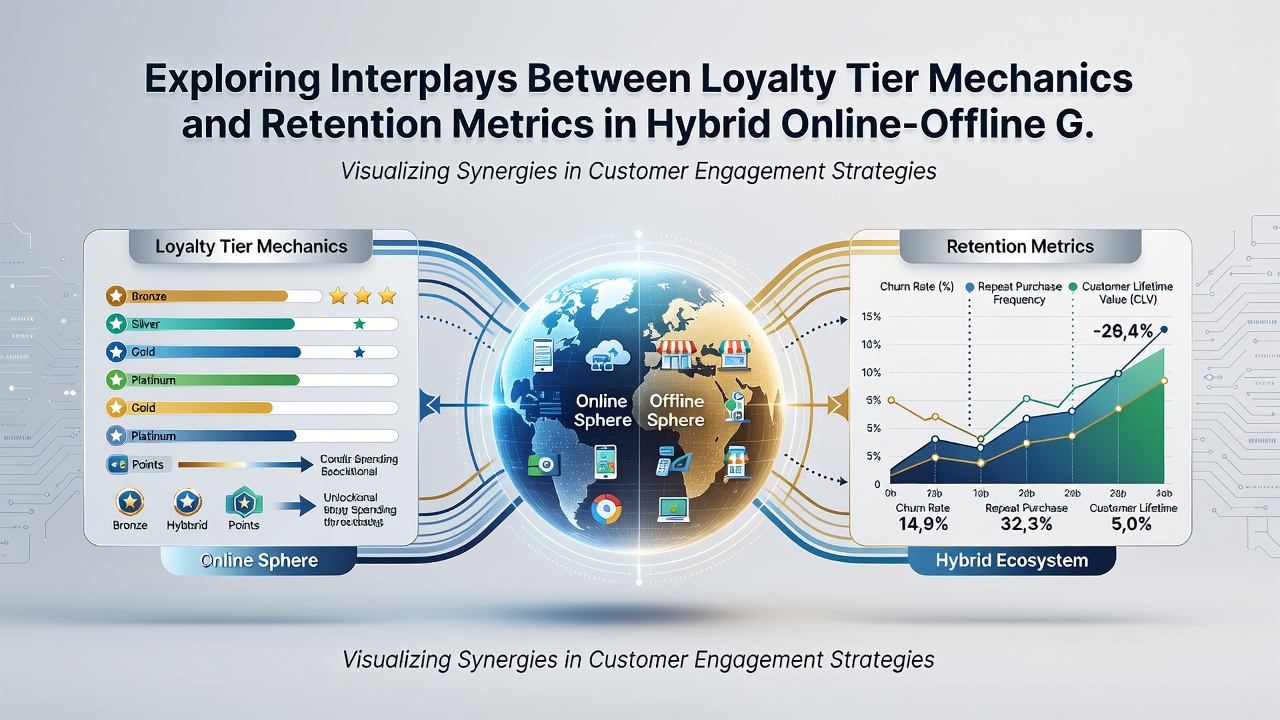
Retention metrics in these platforms encompass cohort retention rates measured at 7, 30, and 90 days, alongside metrics like average revenue per user and repeat visit frequency. Operators combine telemetry from apps with floor traffic data to calculate unified scores, revealing how tier status affects drop-off points. Figures released by industry groups in mid-2026 highlight that platforms with dynamic tier adjustments recorded 12-18 percent improvements in 90-day retention among mid-tier users relative to static models.
What's interesting is the role of real-time dashboards that flag when players approach tier boundaries, triggering interventions that data shows stabilize activity before declines set in. Hybrid setups add complexity because offline visits often generate higher per-session values yet require separate tracking layers to feed into the central loyalty engine.
Observed Interplays and Data Patterns
Analyses of platform data indicate that entry-level tiers correlate with higher initial churn, while progression to mid-tiers associates with measurable lifts in both online session length and offline visit regularity. One study of multi-state operators found that players reaching gold status within the first quarter exhibited 25 percent lower attrition over the following six months, with hybrid activity contributing to the stability. External factors such as seasonal events and regional economic indicators further modulate these outcomes, as tracked in reports covering activity through July 2026.
Platforms experiment with tier-specific nudges, including limited-time multipliers for offline play that feed back into online profiles. According to findings shared by the Canadian Gaming Research Centre, such mechanics produced measurable gains in cross-channel frequency when tested across several hybrid deployments. Observers note that successful implementations balance reward frequency against perceived exclusivity to avoid diluting tier value over time.
Integration Challenges and Platform Adaptations
Technical synchronization between online ledgers and venue-based systems presents ongoing hurdles, particularly around latency and data reconciliation during peak periods. Operators address these through API bridges and unified player accounts that update in near real time, supporting consistent tier visibility regardless of access point. Research from academic teams at institutions like the University of Nevada, Las Vegas has examined how these integrations affect metric accuracy, showing reduced discrepancies in reported retention when hybrid data pipelines mature beyond initial rollout phases.
Regional variations appear in regulatory environments, where Australian state frameworks and certain European licensing conditions shape the types of tier benefits permitted. Data compiled through July 2026 suggests that platforms adapting tier structures to local compliance requirements maintain steadier retention curves than those applying uniform global models without adjustment.
Conclusion
Patterns across available datasets demonstrate that loyalty tier mechanics serve as levers for retention metrics in hybrid platforms, with progression systems and channel integration determining the strength of those connections. Continued monitoring of cohort behaviors through evolving measurement tools will clarify how adjustments in one area propagate across the broader engagement landscape.