Examining the Interplay Between Ambient Noise Levels and Strategic Choices in Multi-Player Card Environments
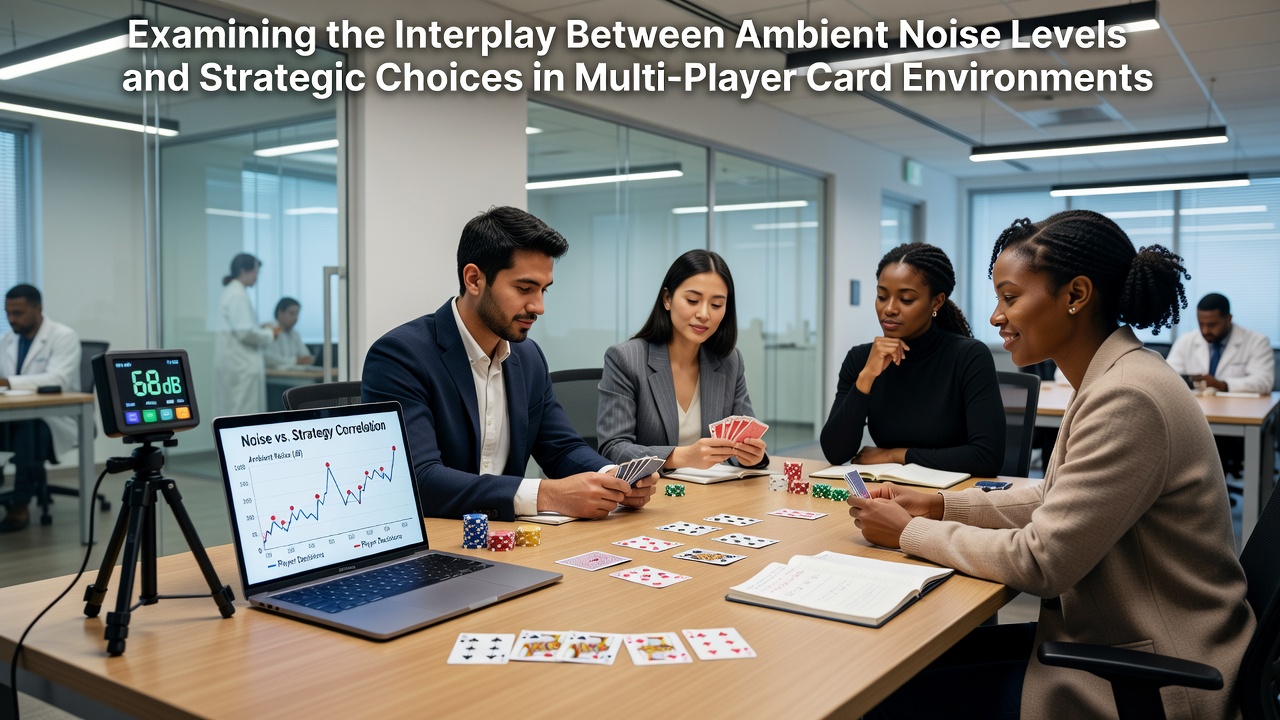
Multi-player card environments such as poker rooms and casino card tables present complex decision-making scenarios where ambient noise levels interact with cognitive processes in measurable ways. Research from environmental psychology and gaming studies indicates that sound pressure levels ranging from 65 to 85 decibels commonly occur in these settings due to crowd chatter, dealer announcements, and electronic equipment, and these conditions correlate with shifts in attention allocation and risk assessment patterns among participants.
Noise Characteristics in Card Gaming Spaces
Ambient noise in card rooms arises from multiple overlapping sources including player conversations, chip handling sounds, background music systems, and ventilation equipment, while data collected from North American gaming venues shows average daytime levels around 72 decibels with peaks exceeding 90 decibels during high-traffic periods. Observers note that these acoustic profiles differ markedly from quieter recreational card settings such as home games or tournament halls, where sound levels often stay below 60 decibels, and this variation creates distinct testing grounds for examining how auditory stimulation influences sequential choices like bet sizing or fold decisions.
Studies conducted by researchers at institutions including the University of Nevada Reno have documented how sustained exposure to mid-range noise frequencies affects working memory capacity during card play, with participants demonstrating reduced accuracy in tracking opponent betting patterns when background sound exceeds 75 decibels for periods longer than 45 minutes. These findings align with broader cognitive research showing that moderate noise can elevate arousal states, which in turn modulates the balance between deliberate strategic calculation and heuristic-based responses in multi-player interactions.
Cognitive Pathways Linking Sound to Decision Patterns
Strategic choices in card environments depend on information processing tasks such as probability estimation, opponent modeling, and emotional regulation, while ambient noise influences these functions through mechanisms including auditory masking of verbal cues and increased cognitive load from filtering irrelevant sounds. Evidence suggests that players facing elevated noise conditions tend to exhibit shorter deliberation times on marginal hands, a pattern observed across both live tournament settings and electronic table games where soundscapes incorporate simulated crowd elements.
One study tracked decision latencies among skilled players across controlled noise conditions and found that reaction times on complex pot odds calculations lengthened by an average of 1.8 seconds when white noise was introduced at 80 decibels compared to baseline quiet conditions, although overall hand volume remained consistent. Those patterns indicate that noise does not uniformly impair performance but rather redirects attentional resources toward quicker, less nuanced evaluations in certain contexts.
Research Findings from Controlled and Field Studies
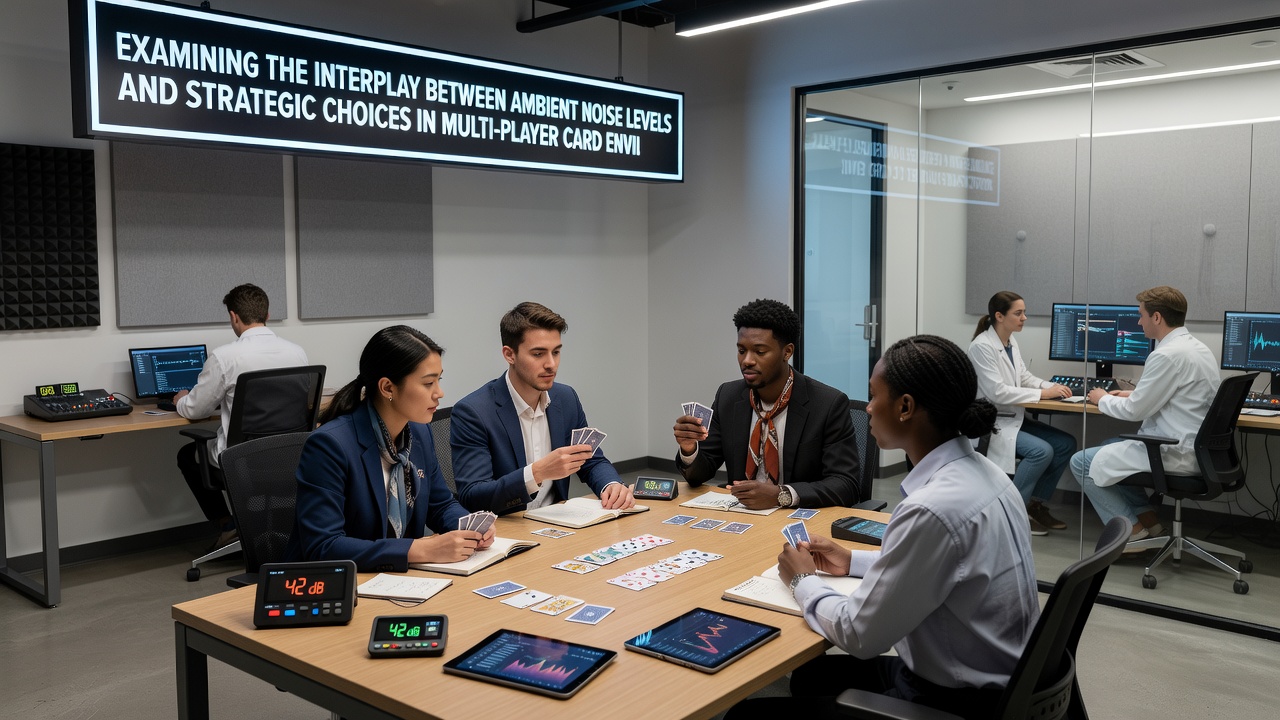
Field observations conducted in regulated gaming jurisdictions across multiple states have recorded correlations between hourly noise fluctuations and measurable changes in average bet sizes during peak evening hours. Data from these environments reveal that periods of higher ambient sound often coincide with increased frequency of aggressive betting actions, although causation remains difficult to isolate from confounding variables such as time of day and player fatigue. Academic reviews published through outlets like the Journal of Gambling Studies have compiled evidence from laboratory simulations where participants engaged in simplified poker variants under calibrated sound conditions, demonstrating that noise levels above 78 decibels were associated with higher variance in final chip counts across repeated sessions.
Additional work from Canadian research teams has explored how individual differences in noise sensitivity moderate these effects, with self-reported high-sensitivity players showing greater deviations from baseline strategy when exposed to variable soundscapes compared to their lower-sensitivity counterparts. These differential responses highlight the role of personal factors in shaping how environmental acoustics translate into strategic adjustments during extended card sessions.
Environmental Design Considerations in Gaming Venues
Venue operators have begun incorporating acoustic modifications such as sound-absorbing panels and zoned seating arrangements in response to operational data linking noise management with player retention metrics. Figures from industry reports indicate that facilities implementing targeted noise reduction measures in card sections recorded stable session lengths across demographic groups, suggesting that controlled auditory environments support sustained engagement with strategic elements of play. Regulatory bodies in regions including several Australian states have included ambient noise guidelines within broader responsible gaming frameworks, requiring periodic monitoring of sound levels in designated gaming areas to ensure compliance with established thresholds.
June 2026 saw the release of updated environmental standards from the Nevada Gaming Control Board that reference acoustic factors as part of venue licensing reviews, prompting further examination of how design interventions might influence decision quality in multi-player card formats. These developments build on earlier pilot programs that tested variable background sound systems to determine optimal ranges for maintaining player focus without excessive distraction.
Conclusion
Current evidence establishes clear connections between ambient noise characteristics and patterns of strategic choice in multi-player card environments, with research demonstrating effects on attention, decision speed, and risk orientation across laboratory and field settings. Continued investigation into these interactions supports development of evidence-based acoustic standards that account for both operational requirements and cognitive demands placed on participants, while ongoing monitoring by regulatory agencies provides data for refining environmental guidelines in gaming spaces.