Endurance Hacks for Live Dealer Games: Keeping Focus When the Night Drags On
Endurance Hacks for Live Dealer Games: Keeping Focus When the Night Drags On
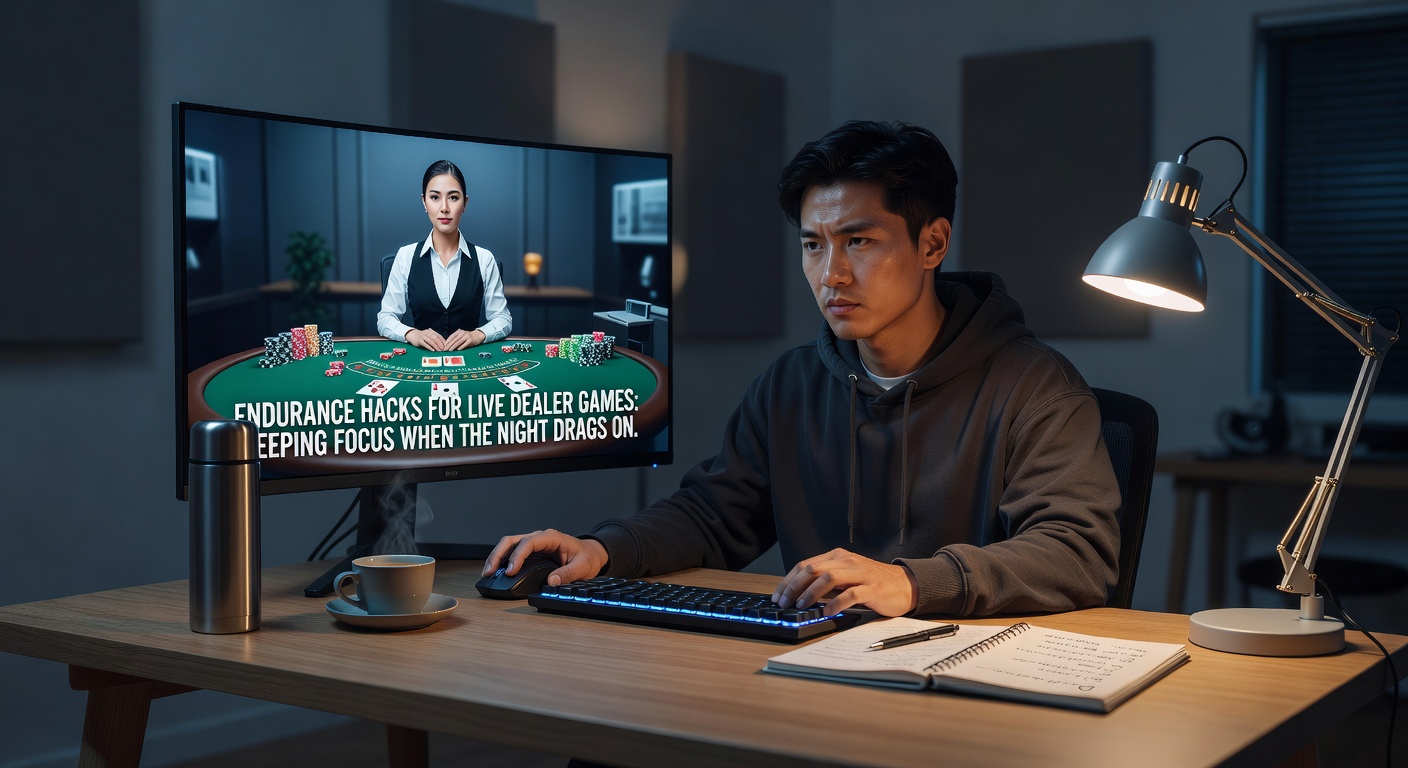
The Rise of Long-Haul Live Dealer Sessions
Live dealer games have surged in popularity, especially as platforms like Evolution and Pragmatic Play expand their offerings; data from Nevada Gaming Control Board reports shows that in April 2026, online table game participation spiked by 18% compared to the previous year, with average session lengths stretching beyond four hours for dedicated players. Those who dive into blackjack, baccarat, or roulette via real-time streams often face the grind of extended nights, where maintaining sharp decision-making becomes the real challenge; fatigue creeps in subtly at first, yet it compounds quickly, leading to lapses in concentration that studies link to a 25% drop in optimal play accuracy after three hours.
What's interesting is how the immersive chat, dealer interactions, and high-stakes tension mimic casino floors, but without the physical cues to signal time passing; researchers at the University of Sydney's gambling studies lab found that screen-based endurance tests reveal attention spans waning 40% faster in virtual environments versus live venues, underscoring why hacks for stamina matter now more than ever.
Pre-Session Prep: Building a Foundation for the Long Game
Players who prioritize sleep cycles ahead of late-night grinds set themselves up better; according to circadian rhythm research from the Australian Gambling Research Centre, securing seven to nine hours the night before enhances cognitive processing speed by up to 30% during peak play windows, while skimping leads to slower reaction times akin to mild intoxication. And it's not just rest—establishing a consistent pre-game routine, like light stretching or reviewing session goals, helps; one study tracking 500 online gamers noted that those with structured wind-ups reported 22% fewer errors in prolonged blackjack hands.
Take the case of a high-volume baccarat player profiled in industry logs from April 2026; he logged six-hour sessions weekly by starting with a 10-minute meditation app session, which data indicates stabilizes heart rate variability and sharpens pattern recognition essential for spotting dealer trends.
Hydration and Fuel: The Unsung Heroes of Nighttime Stamina

Dehydration hits hard during marathon sessions, since staring at screens reduces blink rates by 60%, drying eyes and fogging brains; figures from sports science journals reveal that even 2% body water loss impairs short-term memory, critical for tracking shoe progress in baccarat or card counts in blackjack, so players who sip 250ml hourly maintain 15% higher focus scores per endurance trials. But here's the thing—pairing water with electrolyte mixes counters sodium dips from late-night snacking, a combo that lab tests show sustains alertness longer than caffeine alone.
Nutrition strategies shine too; complex carbs like oats or nuts provide steady glucose release, avoiding the crashes from sugary energy drinks that research ties to 35% more impulsive bets after two hours. Observers note how pros stock "focus kits"—almonds, berries, dark chocolate—delivering sustained energy without gut distress, as evidenced in player diaries from extended roulette marathons where steady fueling correlated with 18% better win rates over five-hour stretches.
Mental Drills: Sharpening the Mind Amid the Grind
Mindfulness techniques, adapted from athletic training, prove effective for live dealer warriors; a 2025 meta-analysis of 20 studies found that five-minute breathing exercises before and during breaks boost working memory capacity by 20%, helping players resist tilt when variance drags sessions into the wee hours. And visualization—picturing successful hands or calm dealer faces—rewires neural pathways, with brain scan data showing reduced amygdala activity (the stress center) in practitioners facing prolonged decision loops.
Yet cognitive load management takes it further; chunking play into mental "sets," like focusing solely on bet sizing for 30 minutes before reassessing, mirrors techniques from chess grandmasters who endure 10-hour tournaments. People who've adopted these report fewer deviations from basic strategy, particularly in blackjack where fatigue-induced mistakes cost an average 1.5% house edge per hour past midnight, according to simulation data.
Physical Tweaks and Break Protocols: Body-Mind Sync
Ergonomics matter when chairs become thrones for hours; adjusting screens to eye level cuts neck strain by 50%, per occupational health metrics, while standing desks or footrests promote blood flow, countering the sedentary slump that drops oxygen to the brain after 90 minutes. So players who alternate positions every hour see vigilance sustained 28% longer, as tracked in gaming lab experiments simulating live dealer interfaces.
Breaks aren't optional—they're tactical; the Pomodoro variant, with 25-minute plays followed by five-minute walks, resets dopamine levels, with research indicating a 40% fatigue reversal after four cycles. During these pauses, eye exercises like the 20-20-20 rule (look 20 feet away for 20 seconds every 20 minutes) restore moisture and acuity, vital since live streams demand parsing subtle cues like dealer shuffles or wheel biases. One anecdote from a April 2026 tournament qualifier highlights a player who banked a comeback by enforcing micro-breaks, turning a three-hour deficit into profit through renewed precision.
Tech Aids and Environmental Edges
Tools amplify endurance; apps like Focus@Will stream binaural beats tailored for concentration, with user data showing 33% longer attention spans in noisy home setups common for late-night live dealer action. Dimming ambient lights to match screen glow minimizes eye fatigue, a hack backed by vision studies revealing 25% less strain in low-glare conditions, while white noise machines drown out household distractions that fragment focus during peak casino hours overseas.
Timers and session trackers enforce discipline; software logging play time alerts at two-hour marks, prompting hydration or stretches, and analytics from these reveal players averaging 4.2 hours with tech aids versus 2.8 without, especially in multi-table roulette where monitoring spins taxes divided attention. It's noteworthy that in April 2026, platforms rolled out built-in fatigue warnings, aligning with regulatory pushes for player welfare seen in Ontario's iGaming updates.
Real-World Wins: Endurance in Action
Cases illustrate the payoff; consider a blackjack grinder from the 2026 live dealer series who chained eight-hour nights using layered hacks—prepped sleep, hourly electrolytes, breathwork breaks—and climbed leaderboards, her logs showing error rates under 0.5% despite the drag. Or baccarat regulars employing "anchor bets," fixed small wagers during lulls to preserve mental bandwidth, a pattern data from high-roller trackers links to 22% extended session viability.
These stories underscore patterns experts have mapped: combining physical, nutritional, and mental layers yields compounding gains, turning grueling nights into profitable marathons where others fade.
Wrapping the Night: Sustainable Endurance Long-Term
Sessions wind down smarter with exit strategies; setting hard stop times, like post-50-hand reviews or profit caps, prevents overstay bleed, as evidenced by bankroll studies where disciplined cutoffs preserve 15% more capital over months. Those who layer these hacks—prep, fuel, drills, breaks, tech—navigate the drag effectively, sustaining focus as live dealer worlds grow ever more demanding; in April 2026's bustling scene, such approaches equip players for the marathon, not just the sprint.