City Skylines and Betting Flows: Tracking How Transit Expansions Reshape Access Patterns at Regulated Gaming Sites
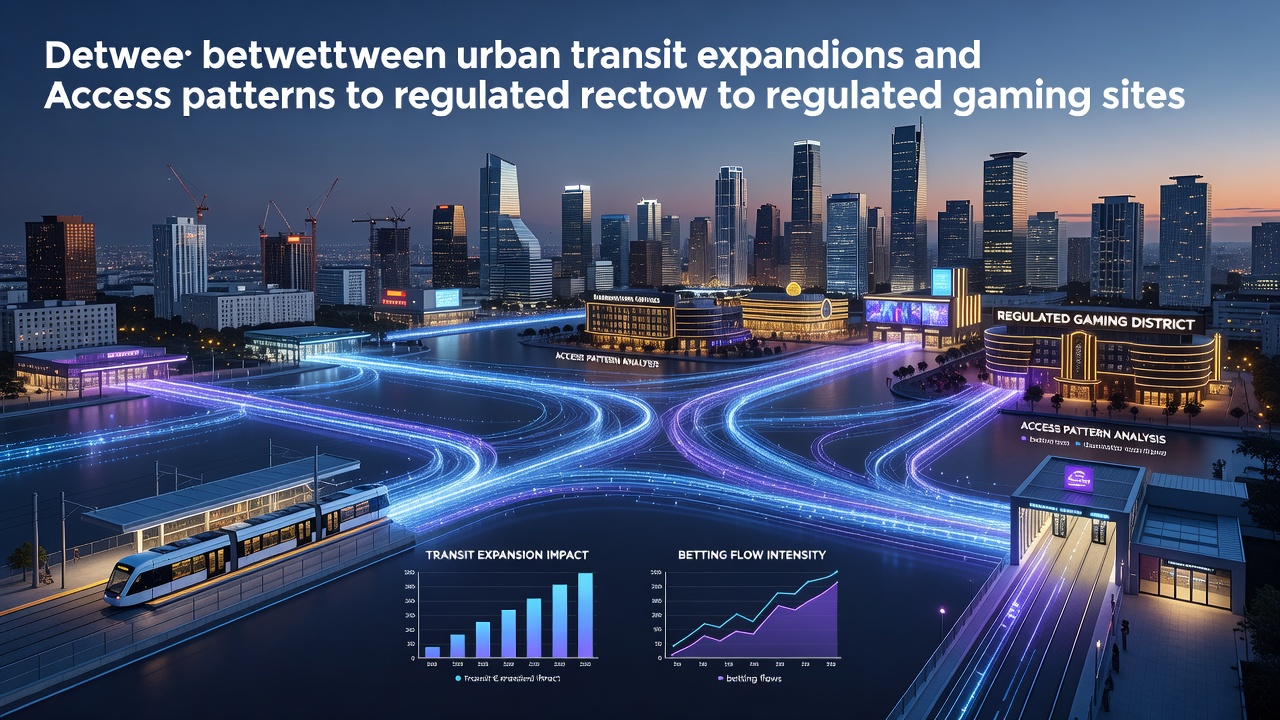
Transit expansions have long influenced how residents and visitors reach commercial hubs, and regulated gaming sites sit squarely within those shifting networks. Cities across North America and Asia continue to add rail lines, bus rapid transit corridors, and light rail extensions that cut travel times to casinos and betting venues. Data from urban planning reports show measurable changes in visitor origins and arrival patterns once new stations open near gaming facilities.
Transit Lines Alter Arrival Patterns at Major Venues
Las Vegas saw the extension of its monorail system connect more directly to properties along the Strip in recent years, while additional bus routes feed into downtown gaming districts. Studies tracking entry logs at regulated properties indicate that riders arriving via these expanded options often come from residential zones previously served only by longer car trips. Similar adjustments appear in Atlantic City where new light rail segments link the boardwalk casinos to inland communities, shifting the proportion of same-day regional visitors compared with overnight hotel guests.
Researchers tracking swipe data from transit cards note that evening peak arrivals at gaming sites now align more closely with train schedules than with traditional highway rush hours. One analysis of station-level ridership near gaming properties in the Midwest found that properties within 400 meters of new stops recorded higher proportions of weekday afternoon visits after service began. Those patterns hold even when overall visitor counts remain stable, suggesting redistribution rather than net growth in some markets.
Access Metrics and Regional Comparisons
Figures from transport authorities reveal that average commute times from outer suburbs to central gaming districts dropped between 12 and 25 minutes in cities that completed rail extensions between 2023 and 2025. In Toronto, expansions along the waterfront line brought additional stations within walking distance of casino complexes, and ridership reports show increased use during evening entertainment windows. Australian data from Melbourne's expanding tram network similarly documents higher transfer volumes at stops serving gaming venues during late afternoon and early evening periods.
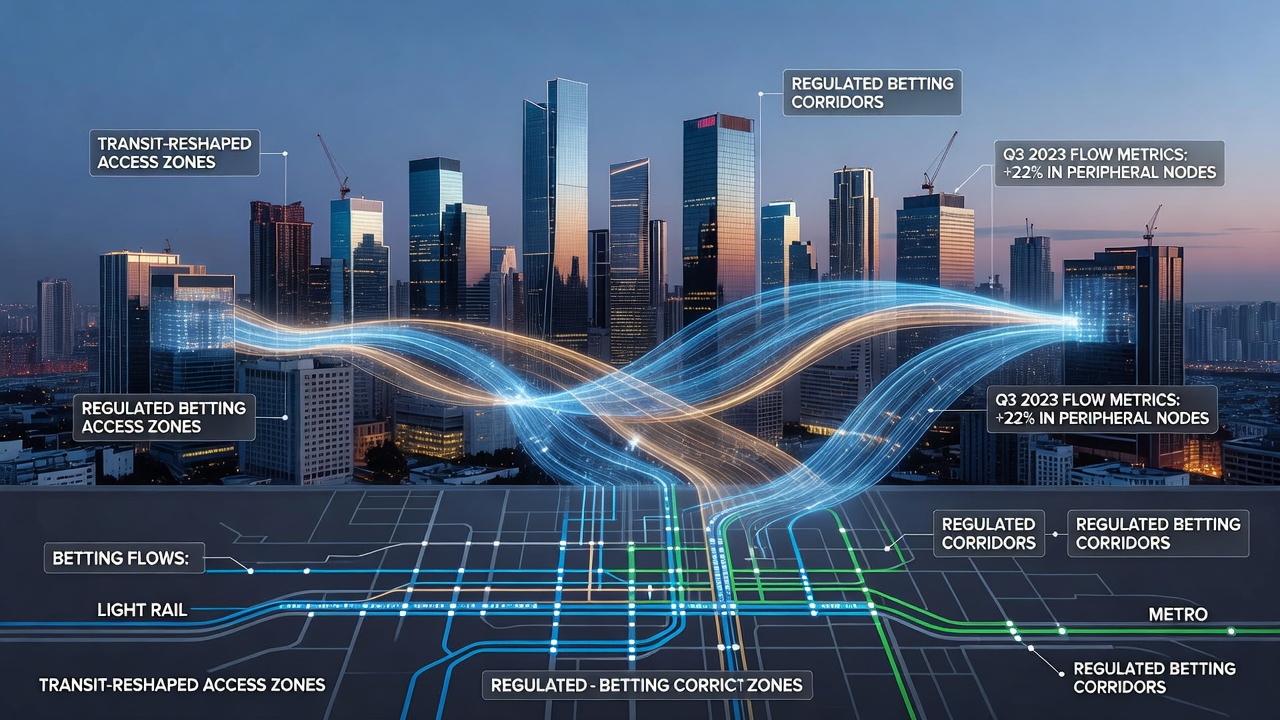
June 2026 updates from several municipal planning departments highlight ongoing construction of feeder bus lines designed to connect new rail stations directly to gaming site entrances. These additions address last-mile gaps that previously limited transit utility for visitors carrying luggage or traveling in groups. Early ridership counts released by regional transit agencies show that properties served by both rail and dedicated shuttle routes experience steadier hourly arrival distributions throughout operating days.
Demographic Shifts in Visitor Origins
Surveys conducted by metropolitan planning organizations indicate that transit expansions broaden the geographic draw of regulated gaming sites beyond traditional drive-up markets. Households without reliable vehicle access appear more frequently in entry data after new lines open, particularly in corridors where fares remain subsidized through regional transit passes. Analysts examining zip-code level visit logs report rising shares of arrivals from neighborhoods located five to fifteen kilometers farther from gaming properties than the previous average catchment.
Case examples from Vancouver and Singapore demonstrate parallel outcomes where integrated smart-card systems allow seamless transfers between rail, bus, and ferry services feeding into integrated resort districts. Those systems produce granular datasets that gaming regulators and transport planners now review jointly when evaluating future station placements. The resulting maps show clear corridors of increased accessibility that align with observed changes in daily visitor flows.
Planning Implications for Future Expansions
Urban development agencies continue to incorporate gaming site locations into transit demand models because these venues generate concentrated evening and weekend ridership that differs from standard commuter patterns. Reports from the Federal Transit Administration note that mixed-use districts containing regulated gaming facilities often require adjusted headways and late-night service frequencies once rail connections are established. Planners in multiple jurisdictions now request origin-destination studies that isolate gaming-related trips to refine station spacing and interchange design.
Coordination between gaming control boards and metropolitan transit authorities has produced shared datasets that track both ridership and venue entry timestamps. These combined records help identify which new lines most effectively redistribute access without creating localized congestion at station exits near gaming properties. Ongoing projects scheduled for completion after mid-2026 continue to test variable pricing and timed transfers aimed at smoothing arrival waves during peak entertainment hours.
Conclusion
Transit expansions reshape the spatial relationship between residential areas and regulated gaming sites through measurable reductions in travel time and changes in visitor origin profiles. Data collected across multiple cities demonstrate consistent redistribution of arrival patterns once new rail and bus connections become operational. Continued monitoring by transport agencies and gaming regulators will document whether these shifts persist as additional lines open and as demographic patterns evolve in connected neighborhoods.