Biometric Feedback Loops in Sustained Multi-Table Card Play Environments
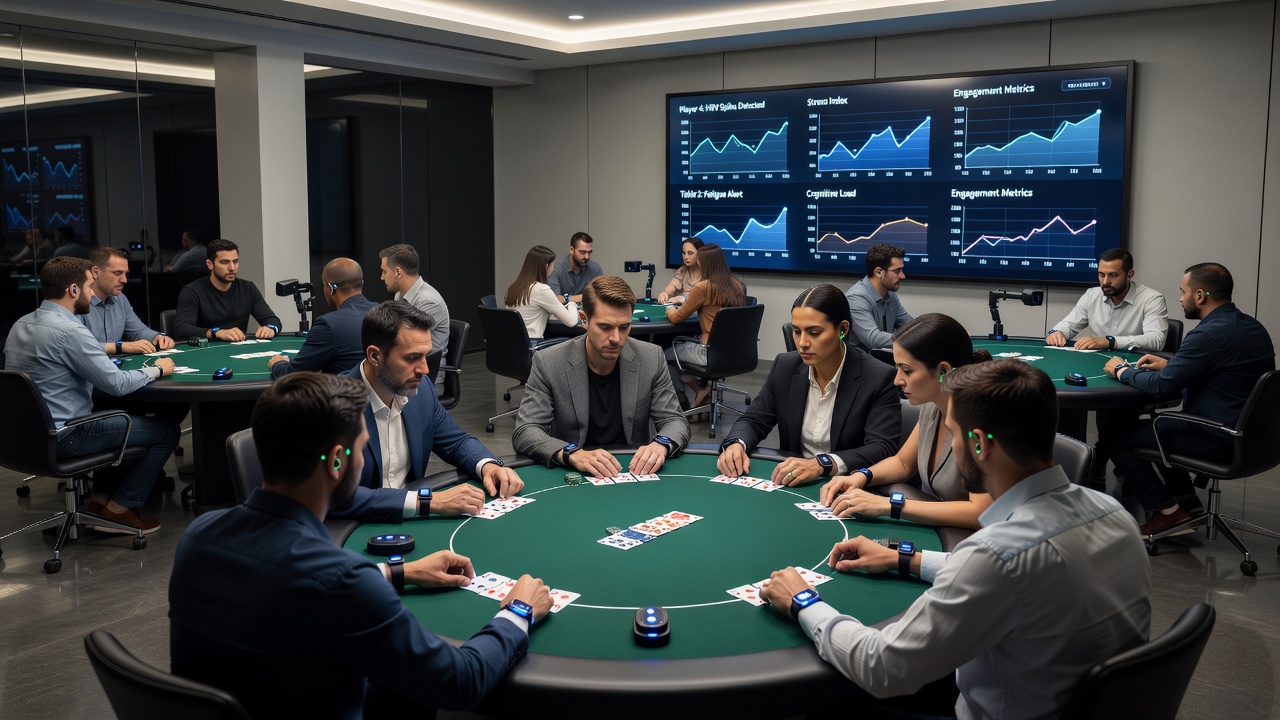
Biometric feedback loops emerge when continuous physiological data collection intersects with real-time decision processes in extended multi-table card environments, and these systems track variables such as heart rate variability, electrodermal activity, and eye movement patterns while players manage several tables simultaneously. Data from wearable devices flows into analytical platforms that generate immediate outputs, which then influence subsequent choices and create closed cycles that researchers have documented across both online platforms and live tournament settings.
Core Components of Biometric Tracking Systems
Heart rate monitors, galvanic skin response sensors, and pupillometry tools form the primary inputs in these environments, while each device captures signals at intervals ranging from milliseconds to seconds during prolonged sessions that often exceed four hours. Researchers at institutions including the University of Sydney have examined how elevated skin conductance correlates with risk assessment moments, and the resulting datasets feed into software that visualizes trends for players or observers. Eye-tracking cameras mounted on screens record fixation durations and saccade frequencies, which studies link to information processing speed when multiple betting decisions occur in quick succession.
Formation of Feedback Loops in Multi-Table Play
Once sensors transmit data to a central interface, algorithms process the information and display simplified metrics such as stress indices or arousal levels that players can reference without interrupting their workflow. This output prompts adjustments in betting speed, table selection, or rest breaks, which in turn alter the physiological readings and restart the measurement cycle. In July 2026, reports from several online poker networks indicated that integrated biometric dashboards had become standard in high-volume multi-table software, allowing participants to observe how their own metrics shifted across dozens of hands played in parallel. The loop tightens when external factors like stack size changes or opponent patterns interact with the biometric signals, and observers note that sustained exposure to these cycles can produce measurable changes in baseline readings over consecutive days of play.
Applications Across Online and Live Settings
Online multi-table environments benefit from seamless integration because software already records every action, and biometric overlays simply attach additional data streams without requiring new hardware beyond consumer-grade wearables. Live card rooms present different challenges since physical movement and ambient noise affect sensor accuracy, yet portable chest straps and wrist devices have recorded consistent patterns during extended tournament days according to data collected by Canadian research groups. Players who review post-session summaries often identify recurring spikes in heart rate during specific table counts, and this awareness leads to modified session structures such as staggered start times or reduced table numbers during peak fatigue windows. Industry reports show that training programs now incorporate biometric review modules, and participants learn to recognize when their own feedback loops indicate declining decision quality rather than external table dynamics.
Research Developments Through Mid-2026
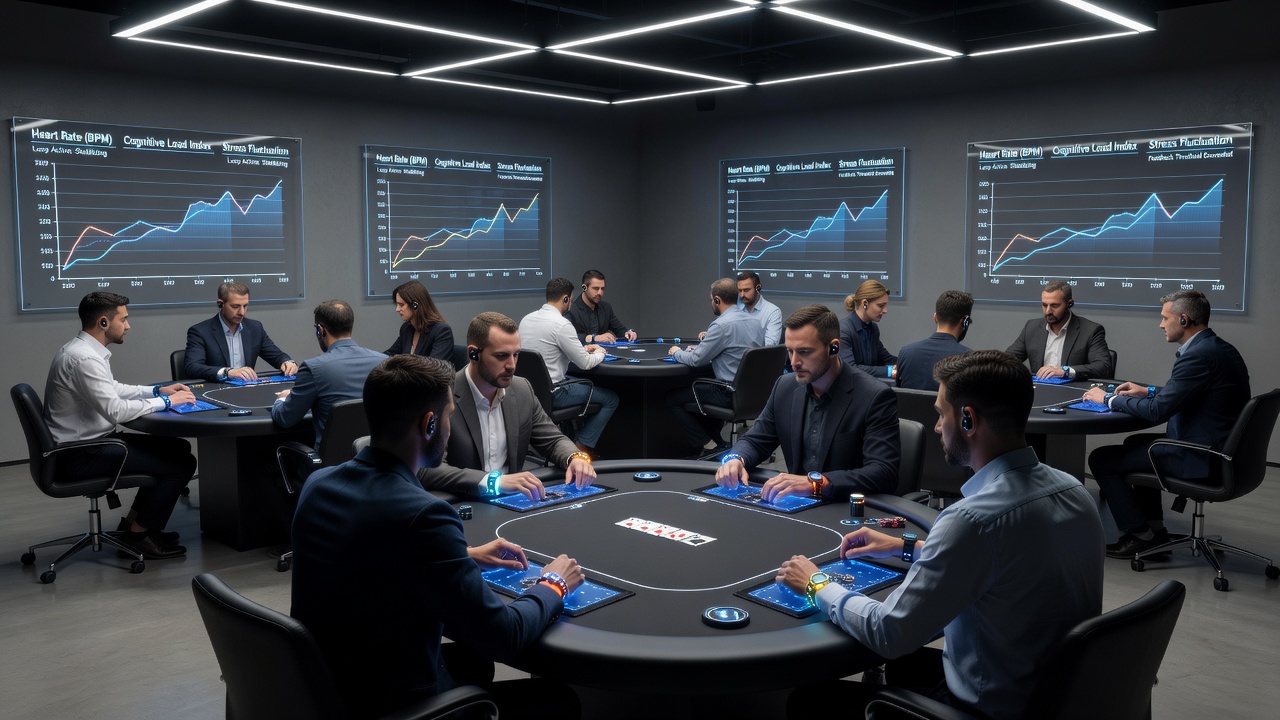
Studies published in the first half of 2026 examined how biometric feedback influences bankroll management decisions during multi-day events, and findings revealed correlations between sustained low heart rate variability and increased fold frequency in marginal spots. The Australian Gambling Research Centre released aggregated figures showing that players using feedback systems maintained more stable decision patterns across sessions longer than six hours compared with control groups. Additional work from European laboratories focused on pupillary responses during rapid multi-table sequences, and results indicated that dilation patterns predicted hesitation times with statistical reliability when more than four tables remained active. These datasets continue to expand as more platforms adopt standardized biometric logging protocols.
Technical Integration and Data Handling
Modern implementations combine Bluetooth-enabled sensors with cloud-based processing that returns processed insights within two seconds of each measurement cycle, and this speed supports uninterrupted play across high-volume environments. Security protocols encrypt individual physiological records separately from gameplay logs, and regulatory frameworks in several jurisdictions require explicit consent before any biometric data leaves the local device. Developers continue to refine noise-filtering algorithms that distinguish between game-related arousal and unrelated factors such as caffeine intake or room temperature fluctuations. The resulting systems deliver metrics that integrate directly into heads-up displays or mobile companion apps without adding latency to core game functions.
Conclusion
Biometric feedback loops in sustained multi-table card play environments continue to evolve through incremental improvements in sensor accuracy and data visualization techniques. Current implementations demonstrate measurable connections between physiological signals and in-game choices across both digital and physical settings. Ongoing research through 2026 supplies additional datasets that clarify how these loops operate under varying session lengths and table counts. The technology remains grounded in established measurement principles while adapting to the specific demands of simultaneous decision streams.