Behavioral Shifts Observed When Demo Mode Users Transition Into Structured Paid Tournament Entries Across Digital Platforms
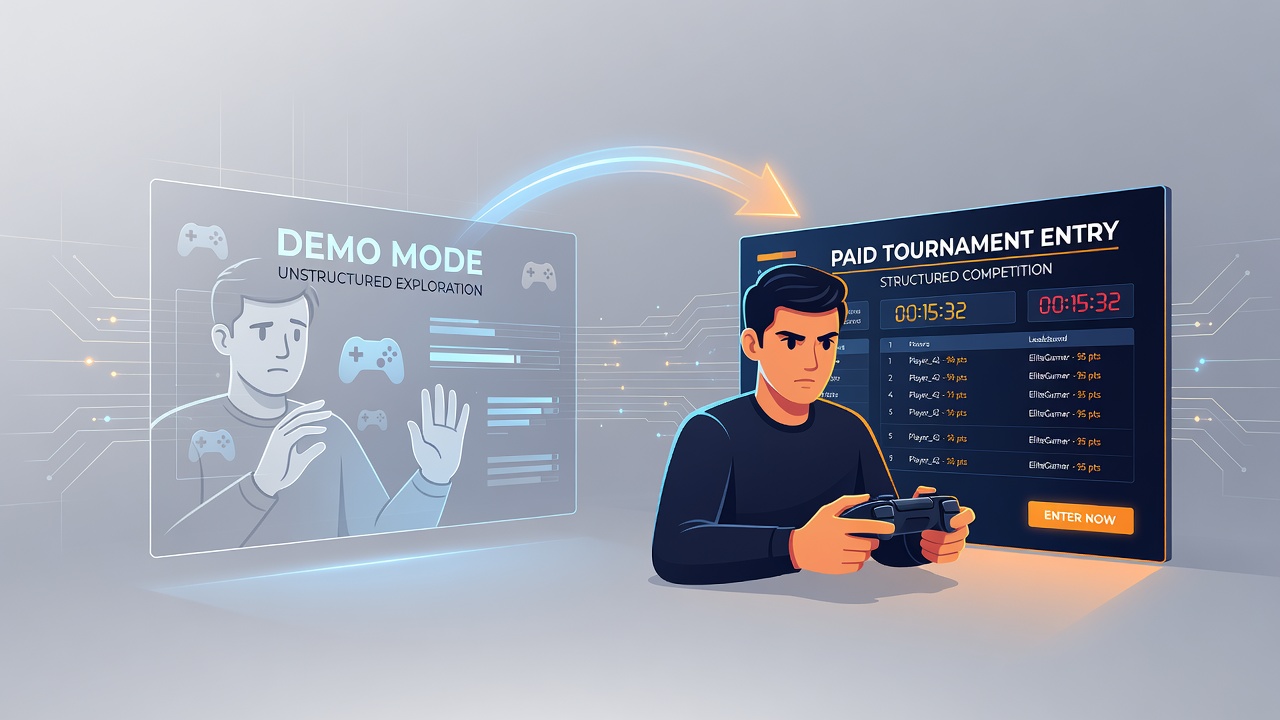
Digital platforms that offer both demo modes and structured paid tournament entries show measurable changes in user behavior once participants move from free practice environments into real-money competitions, and these patterns have drawn attention from researchers tracking activity through July 2026.
Patterns Emerging From Free-to-Paid Transitions
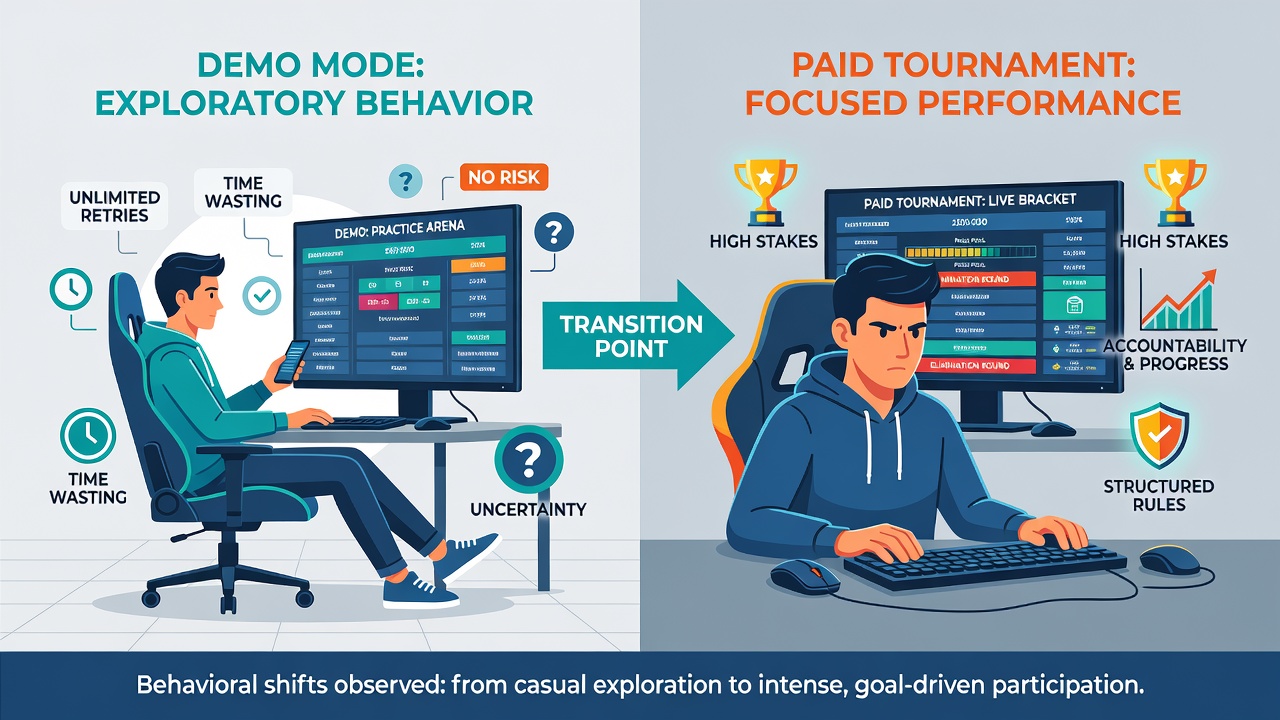
Users typically spend extended periods in demo modes testing strategies and learning game mechanics before entering paid tournaments, yet once real funds enter the equation decision-making processes shift noticeably according to platform analytics shared with academic partners. Session lengths often shorten initially as participants weigh each action against financial consequences, while selection of specific tournament formats becomes more deliberate compared with the experimental approach common in free play.
Observers note that risk parameters tighten during early paid entries, with users favoring smaller buy-in structures even when demo activity had included higher-stakes simulations, and this caution tends to ease only after several successful transitions documented across multiple platforms.
Changes in Decision Frameworks and Time Allocation
Research indicates that cognitive load increases during the transition phase because participants must now integrate bankroll management alongside tactical choices that previously carried no monetary weight. Data collected from large-scale digital environments reveals that average decision time per action rises by measurable margins in the first three to five paid tournaments before stabilizing closer to demo-mode speeds as familiarity grows.
Those who study player logs across regions report that multi-tabling habits developed in demo modes rarely transfer directly into paid settings, instead giving way to single-table focus during the adjustment period. Frequency of play also fluctuates, with some users reducing overall volume while others accelerate entries once initial paid results meet expectations.
Regional Data and Platform Comparisons
Figures compiled through mid-2026 show consistent geographic differences in how quickly users complete the shift from demo to paid entries, with North American platforms recording faster transitions on average than European counterparts according to aggregated industry reports. Australian regulatory summaries released in recent months highlight similar patterns among poker and multi-variant tournament formats where demo exposure correlates with higher retention rates once paid participation begins.
One analysis from Canadian gaming authorities documented that users who logged at least 40 hours in demo modes before their first paid tournament maintained steadier bankroll trajectories during the subsequent six months compared with those who transitioned after fewer practice hours.
Influence of Tournament Structure on Behavioral Adjustments
Structured formats that include escalating blinds, blind levels, and payout ladders prompt distinct adaptations once users cross into paid territory, and researchers have tracked how these elements interact with prior demo experience. Participants tend to adjust aggression metrics downward in early paid events, favoring survival-oriented play until results accumulate, while those with extensive demo exposure to variant-specific mechanics demonstrate quicker recalibration of these metrics.
Platform operators tracking July 2026 activity note that leaderboards and progression systems introduced in paid tournaments further modify time-on-site patterns, encouraging users to schedule entries around daily or weekly reset cycles rather than the open-ended sessions typical of demo environments.
Longer-Term Stabilization Trends
After the initial adjustment window, which studies place between five and twelve paid entries for most users, behavioral markers such as bet sizing, fold frequency, and session planning converge toward patterns observed in later-stage demo activity. Yet residual differences persist around loss aversion and withdrawal behaviors that remain elevated compared with free-play equivalents, as shown in longitudinal data shared by research institutions.
Evidence from cross-platform studies suggests that users who combine demo practice with structured bankroll tracking tools during the transition phase exhibit more consistent participation volumes over subsequent quarters, a finding echoed in reports from both academic and regulatory sources.
Conclusion
Transitions from demo modes into structured paid tournament entries generate observable and measurable shifts in user behavior across digital platforms, with changes appearing in decision timing, risk calibration, session structure, and long-term engagement patterns. Data gathered through July 2026 continues to refine understanding of these dynamics, providing clearer pictures of how prior free-play exposure influences subsequent paid participation across regions and formats.